
The Charter of the French Language and its regulations govern access to English-language content.
La fabrication du savon est connue depuis la plus haute Antiquité. Des tablettes mésopotamiennes datées d’environ 2800 av. J.-C. mentionnent déjà l’usage de mélanges d’huiles et de cendres pour le nettoyage des textiles et à des fins médicinales. Plus tard, au Proche-Orient, le savon à base d’huile d’olive et de laurier est associé à la ville d’Alep, dont la production est documentée dès le 8ᵉ siècle. En Europe, Marseille devient un centre important de fabrication à partir du 12ᵉ siècle. En 1688, un édit de Louis XIV encadre la fabrication du savon marseillais et consolide sa réputation. Au 18ᵉ siècle, la pratique traverse l’Atlantique : en Nouvelle-France, elle s’adapte aux ressources locales, et le savon s’impose comme produit d’hygiène essentiel.
La fabrication du savon consiste à préparer les ingrédients, à surveiller leur transformation en pâte, puis à laisser sécher le mélange. Texture, mousse et douceur peuvent être ajustées, tandis que parfums et couleurs apportent une touche créative. Transmis au fil des siècles, ce savoir-faire a transformé un objet du quotidien en expérience sensorielle. Aujourd’hui, l’intérêt pour des produits naturels et respectueux de l’environnement redonne vie à cet art ancien, et le savon artisanal reflète une mémoire culturelle et une réponse aux attentes contemporaines.
Soap-making has been known since the earliest Antiquity. Mesopotamian tablets dating to around 2800 BC already mention the use of mixtures of oils and ashes, notably for cleaning textiles and for medicinal purposes. Later, in the Near East, soap made from olive oil and laurel became associated with the city of Aleppo, where production is documented as early as the 8th century. In Europe, Marseille became an important center of manufacture from the 12th century onward. In 1688, an edict issued by Louis XIV regulated the production of Marseille soap and strengthened its reputation. In the 18th century, the practice crossed the Atlantic: in New France, it adapted to local resources, and soap became an essential household product for hygiene.
The process of soap-making involves preparing the ingredients, overseeing their transformation into paste, and allowing the mixture to dry. Texture, lather, and softness can be adjusted, while fragrances and colors add a creative touch. Passed down through the centuries, this know-how has transformed an everyday object into a sensory experience. Today, the growing interest in natural and environmentally friendly products has revived this ancient craft, and artisanal soap reflects both a cultural heritage and a response to contemporary expectations of simplicity and quality.
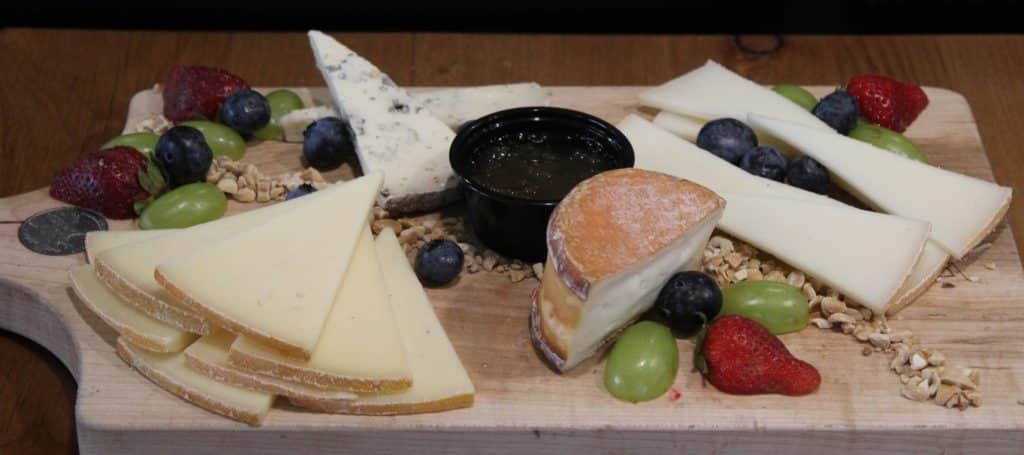
Discover the delicious world of Fromagerie Montebello, where the flavors of Quebec come to life through artisanal cheeses full of character.
A presentation, an introduction to the art of cheese-making, and a tasting come together in a delightful and convivial experience that highlights the rich flavors of the region and the art of cheese-making.