L’art de façonner la terre
La poterie est née il y a plus de 20 000 ans, probablement en Asie de l’Est, avant de se répandre dans le monde au rythme de la sédentarisation humaine. Utilisée pour la cuisson et la conservation, elle s’adapte aux argiles locales et aux fours disponibles. Chaque pot et chaque assiette portent la trace d’un lien ancien entre l’être humain et la terre. Au Québec, elle prend place dans le quotidien des familles, reliant nécessité pratique et expression artistique.
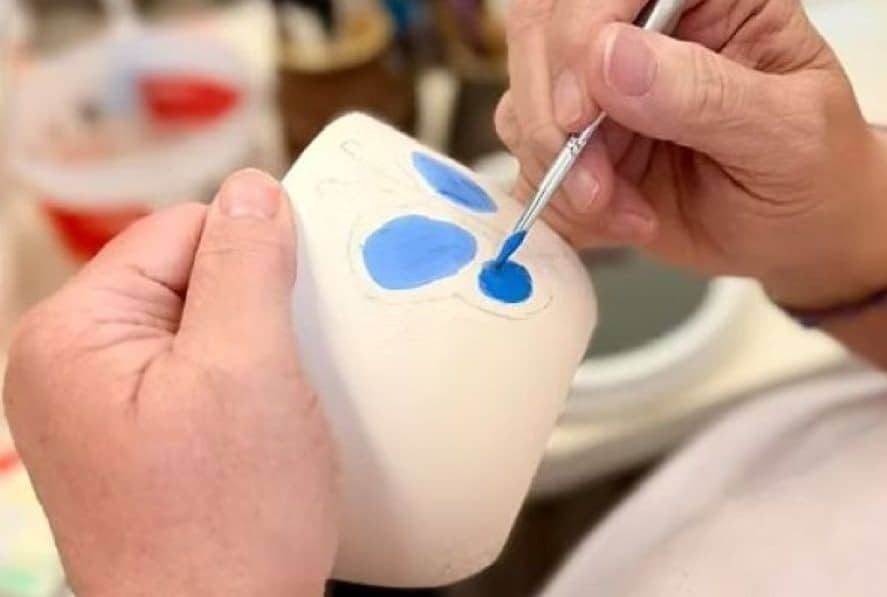
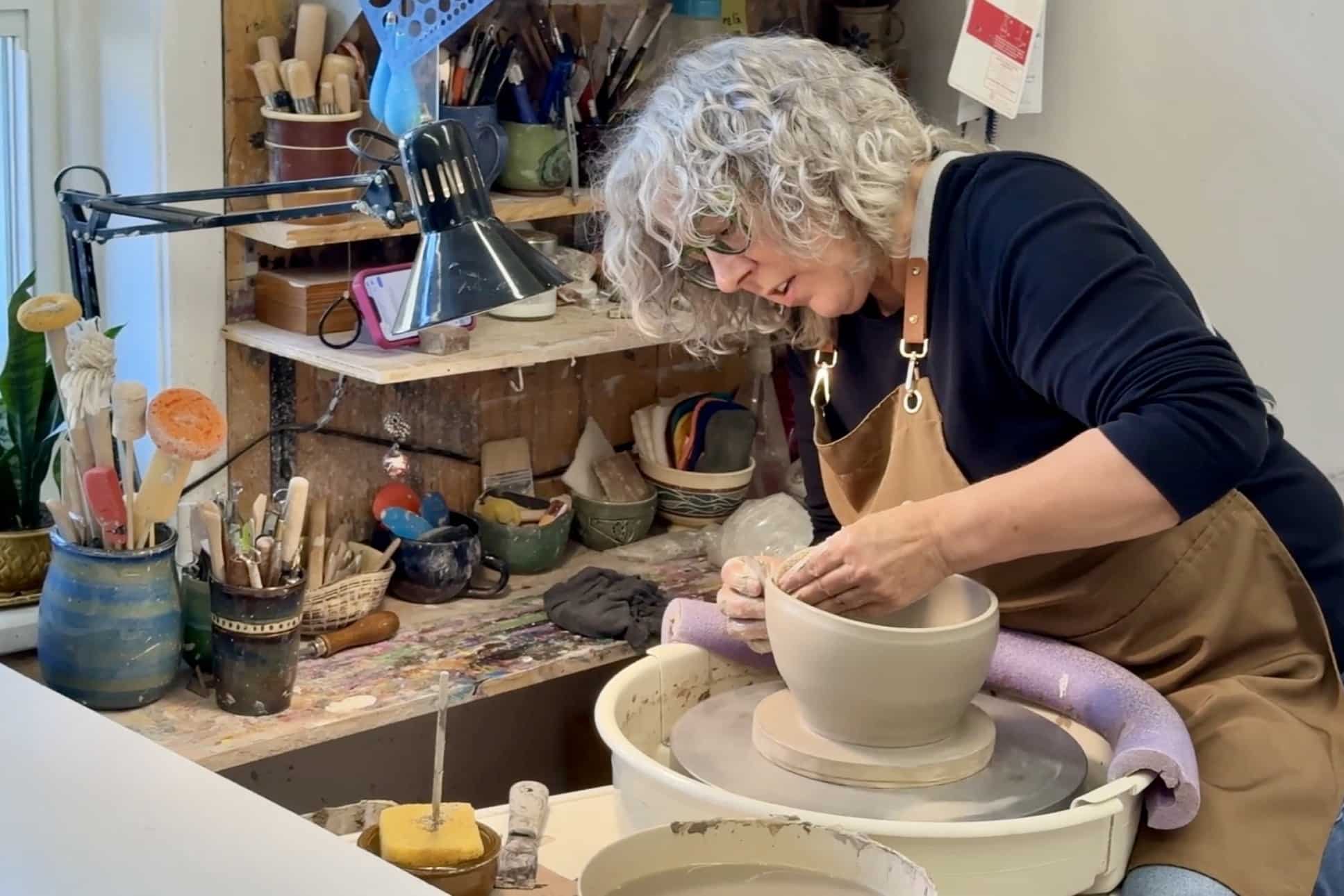
La pratique de la poterie consiste à préparer l’argile, la façonner au tour ou à la main, contrôler son séchage, la décorer à l’aide d’engobes ou de glaçures, puis réaliser les cuissons adaptées au type d’argile utilisé. Chaque geste exige précision et constance, car la forme et l’équilibre définissent à la fois usage et beauté. Au-delà de la technique, la poterie traduit la créativité artisanale, transformant une matière brute en objet porteur de sens. Aujourd’hui, elle incarne un patrimoine vivant, où utilité et esthétique se rejoignent dans une tradition en constante réinvention.